
The 2026 Toronto Flooring Guide: The Smartest Floors for Humidity, Condos, Basements, and Beautiful Living
Flooring in Toronto has become a more intelligent purchase than it was even a few years ago. In 2026, buyers are not simply choosing between light or dark, wood or vinyl, wide plank or narrow. They are trying to solve for climate, sound, moisture, maintenance, resale, and design longevity, all at the same time.
And that shift is a good thing. The old habit of choosing flooring based purely on showroom appeal is exactly what leads to regret later. A floor can look beautiful under retail lighting and still be the wrong choice for a condo with strict acoustic rules, a basement with moisture risk, or a family home dealing with Toronto’s dry winters and humid summers.
The best flooring choices in the GTA now come from asking better questions. What will still look elegant after two winters? Which material actually suits a downtown condo renovation? Where does engineered hardwood make sense, and where is waterproof SPC simply the smarter call? Which tones still feel premium now that the grey era is clearly fading?
This guide is built for that buyer, the one who wants a floor that performs well, looks refined, and feels worth the investment. If you are comparing options for a home in Toronto, Etobicoke, North York, Markham, Mississauga, or anywhere in the GTA, here is what matters most in 2026.
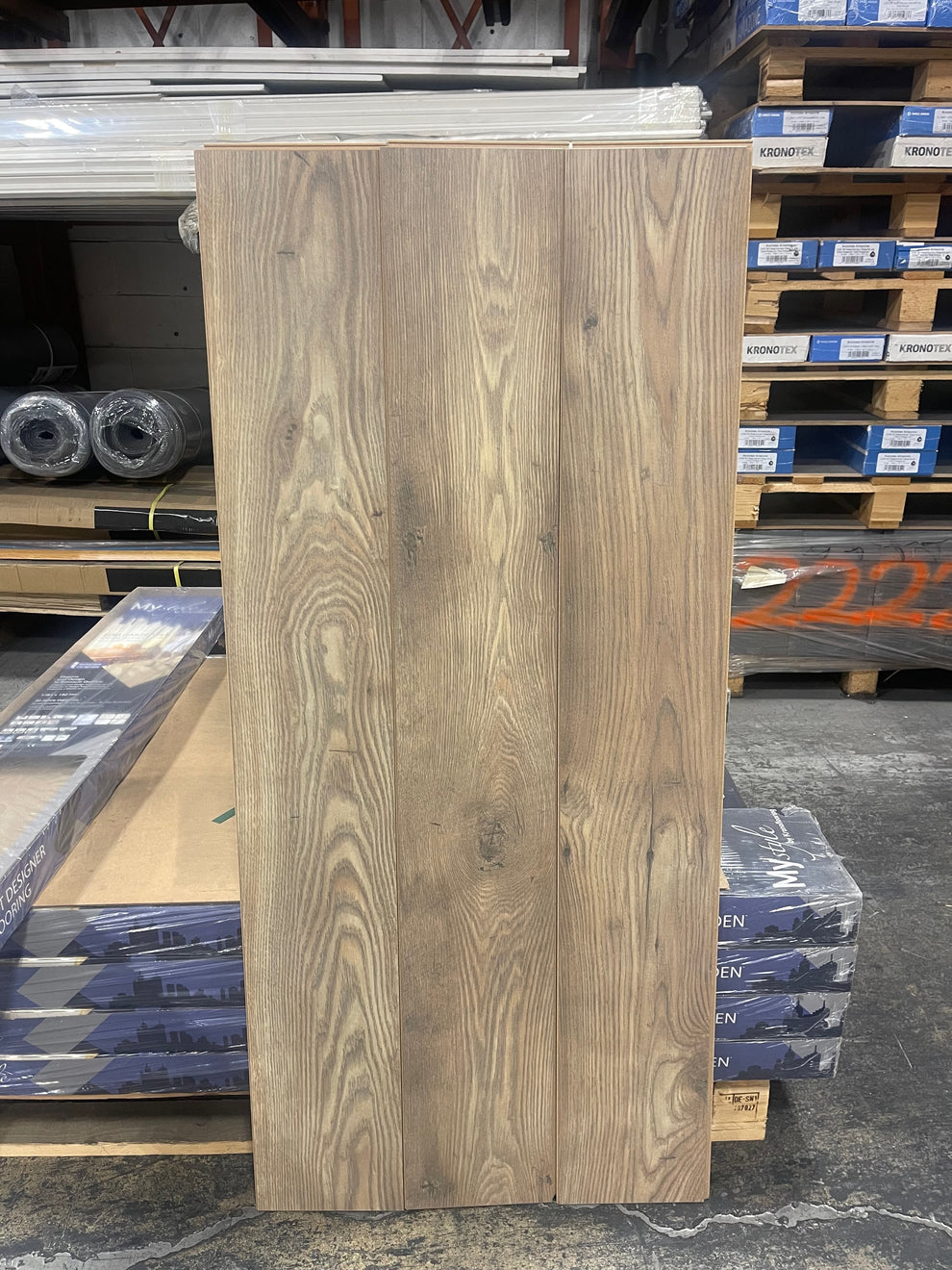
Why Toronto Homes Are So Demanding on Flooring
Toronto asks more from flooring than many buyers realize. During winter, indoor air can become extremely dry once heating systems run continuously. During summer, humidity rises quickly, especially in homes without tightly managed climate control. That repeated swing in conditions is one of the main reasons some floors start showing movement, stress, or cosmetic disappointment sooner than expected.
This is why the phrase best flooring for Toronto humidity 2026 is such a meaningful search. It reflects a real local problem. In practical terms, GTA buyers are not just shopping for aesthetics. They are shopping for dimensional stability, comfort, and peace of mind.
If a floor is too sensitive for the environment, the warning signs usually arrive in visible ways. Wood can gap during the driest parts of winter. Poorly suited materials can react badly to moisture. Lower levels can become especially risky when flooring is chosen for appearance first and environment second.
That is why climate-fit should sit at the centre of the decision.
The Premium Case for Engineered Hardwood in the GTA
For many Toronto homeowners, engineered hardwood remains the most compelling premium flooring option. It offers the depth, warmth, and natural variation people love about real wood, but in a construction that is generally better suited to Ontario’s seasonal indoor climate shifts than traditional solid hardwood.
That is exactly why engineered hardwood flooring continues to be such a strong recommendation for serious renovations across the GTA. When the product is well built, it gives buyers a more forgiving version of real wood without sacrificing the visual quality that makes wood so desirable in the first place.
For Toronto buyers who want something that feels current and lasting rather than trendy and disposable, wide-plank European oak is still one of the most convincing directions. A few particularly relevant options from Top Floorings include:
- European Oak Bourbon, a warm, rich oak tone with enough character to feel expensive without becoming heavy.
- European Oak Villa, a beautiful option for homeowners who want texture, softness, and a more natural old-meets-new sensibility.
- European Oak Harvest, which lands in a very useful middle ground for contemporary homes that want warmth without overpowering the room.
- European Oak Black Pepper, a more dramatic look for buyers drawn to contrast and moodier interiors.
These choices work especially well because they line up with the broader move toward warmer, more believable interiors. They feel like floors a person would actually want to live with, not just photograph.
Warm Oak Has Replaced Cool Grey, and the Shift Feels Permanent
One of the strongest flooring trends in Toronto right now is also one of the easiest to understand. People are tired of cold interiors. The heavily greyed-out look that once signalled “modern” now often reads as dated, flat, or emotionally empty, especially in homes that already struggle with long winters and limited natural warmth.
In its place, buyers are choosing warmer wood tones, softer natural variation, and matte finishes that feel more grounded. That is why warm oak flooring trends 2026 matter. This is not simply a short-lived aesthetic swing. It reflects a broader desire for homes that feel calmer, more tactile, and more human.
In Toronto specifically, this trend also works because it supports so many common interior directions. Warm oak plays well with white walls, creamy stone, black accents, brushed brass, and modern organic styling. It also transitions beautifully in homes that mix old architecture with new renovations.
If your goal is to choose a floor that feels premium now and still attractive years from now, warmer oak tones are one of the safest and smartest places to be.
For Basements, Families, and High-Wear Zones, SPC Vinyl Is Often the Smarter Decision
Not every room needs real wood, and in some rooms, insisting on it can be a mistake. This is where waterproof SPC vinyl earns its place in the conversation, especially for Toronto basements, family-heavy homes, and renovation projects where practicality matters every bit as much as style.
SPC, or stone-core vinyl plank, is especially useful when moisture tolerance is a priority. That makes it highly relevant for lower levels, rental properties, entry areas, and homes where spills, grit, and heavy use are simply part of daily life.
For those situations, the Top Floorings vinyl SPC collection is one of the most logical places to look. Modern vinyl visuals have improved dramatically, and for many buyers, the performance upside is what seals the decision.
This is also where the search term engineered hardwood vs LVP Toronto cost becomes more nuanced than it first appears. Cost is not just about price per square foot. It is also about where the product is going, how long it is likely to stay looking good, and how much risk you are taking on by placing a less suitable material in a demanding environment.
For a basement, the “cheaper” choice on paper is not always the real bargain. The better question is what protects the room, the renovation, and your peace of mind.
Condo Flooring in Toronto Needs to Satisfy the Building, Not Just the Buyer
Condo owners face a completely different decision tree than freehold homeowners. In a downtown Toronto condo, you are not just choosing a floor that looks good with your kitchen. You are choosing a floor that has to work within renovation rules, acoustic expectations, and often very specific board requirements.
That is why condo-approved flooring IIC rating Toronto is such an important phrase in this market. Buyers searching it are dealing with the real friction of condo renovation life.
The key detail many people miss is that acoustic performance is typically about the system as a whole. The flooring plank alone rarely tells the full story. Underlayment, assembly, installation method, and building documentation all matter. In many cases, the underlayment is just as important as the flooring itself.
If you are planning a condo renovation in Toronto, the practical questions are these:
- What exact acoustic requirement does the building specify?
- Does the chosen underlayment have documented performance data?
- Is the entire assembly approved, not just marketed as suitable?
- Will the floor height affect transitions, doors, or cabinetry tolerances?
Once those answers are clear, the material decision becomes much easier. In many condos, the winning choice ends up being either a stable engineered wood with the right acoustic build-up or a practical SPC system that reduces worry around everyday wear and moisture.
Older Toronto Homes Deserve Floors With Warmth and Stability
Heritage homes and older Toronto properties create a special kind of flooring challenge. These homes often have more character, more irregularity, and more architectural soul, but they can also be less predictable. Floors may not be perfectly level. Heating may not be perfectly balanced. The interior design language often calls for warmth and authenticity, not something that feels overly synthetic.
That is where engineered European oak becomes especially convincing. It offers the visual richness that suits older homes while still delivering the improved structural stability modern buyers need.
In practical terms, products such as Villa and Bourbon are strong choices for homes in neighbourhoods like The Annex, Riverdale, Leslieville, and High Park because they feel visually appropriate. They bring warmth, variation, and depth without looking overprocessed or trendy.
That is often the difference between a renovation that feels thoughtful and one that feels imposed on the house.
What Smart Toronto Buyers Are Really Doing in 2026
The most thoughtful buyers in the GTA are no longer asking for the single “best flooring” in the abstract. They are making room-by-room decisions with a stronger understanding of use, risk, and long-term value.
That often looks like this:
- Engineered hardwood for the main living areas where real wood warmth matters most.
- SPC vinyl in basements, entry-heavy zones, or family areas where moisture and wear are a bigger concern.
- Extra caution in condos, where acoustic requirements shape the entire installation strategy.
- Warmer, more natural tones instead of colder finishes that are already losing design relevance.
In other words, the smartest flooring plan is not always one product throughout the entire property. It is often a smarter combination of products used in the right places.
A Refined Product Shortlist for Toronto Buyers
For readers who want something concrete, here is a well-grounded shortlist from Top Floorings based on different GTA priorities:
- Best for warm, upscale everyday living: European Oak Bourbon
- Best for heritage-home warmth and character: European Oak Villa
- Best for modern versatility: European Oak Harvest
- Best for bolder contemporary interiors: European Oak Black Pepper
- Best for moisture-prone or high-wear spaces: the full Vinyl SPC Flooring collection
A Simple Toronto Flooring Checklist Before You Commit
- Is the floor suitable for Toronto’s seasonal humidity swings?
- If this is a condo, does the floor and underlayment assembly satisfy the building’s acoustic requirements?
- If this is a basement, am I prioritizing moisture performance over wishful thinking?
- Does the colour direction feel timeless enough for my home and resale horizon?
- Will this floor still feel like a good decision after winter dryness, summer humidity, muddy boots, pets, and daily wear?
Frequently Asked Questions About Flooring in Toronto
What is the best flooring for Toronto humidity in 2026?
For many homes, high-quality engineered hardwood offers the best balance of real wood beauty and climate stability. In moisture-prone spaces such as basements, waterproof SPC vinyl is often the safer choice.
Is engineered hardwood better than LVP for Toronto homes?
It depends on the room and the priority. Engineered hardwood is usually the better fit when authentic wood appearance, warmth, and resale appeal matter most. LVP or SPC vinyl is often better where waterproof performance and easy maintenance are more important.
What flooring works best in a Toronto condo?
The best condo flooring is the one that meets the building’s acoustic requirements and works with an approved underlayment system. Both engineered hardwood and SPC vinyl can be good choices depending on the building rules.
What flooring is best for a Toronto basement?
In most cases, waterproof vinyl SPC is the practical winner for basements because it handles moisture risk far better than traditional wood-based flooring categories.
What flooring colours are trending in Toronto in 2026?
Warm oak tones, softer natural browns, matte finishes, and less processed-looking wood visuals are defining the market. Cool grey is losing relevance fast.
Image Prompts for Supporting Visuals
- Hero image prompt: “Luxury Toronto living room with wide plank warm oak flooring, matte finish, soft natural daylight, elegant editorial interior photography, premium Canadian home aesthetic, realistic textures”
- Humidity explainer prompt: “Premium editorial infographic showing winter floor gapping and summer floor cupping in a Toronto home, realistic wood textures, clean luxury layout, educational but beautiful”
- Condo prompt: “High-end downtown Toronto condo interior with refined flooring, quiet luxury styling, soft neutral palette, realistic architectural photography”
- Basement prompt: “Beautiful finished Toronto basement with waterproof vinyl plank flooring, warm layered lighting, elevated family-friendly design, realistic renovation photography”
- Heritage home prompt: “Renovated Toronto century home with warm European oak flooring, original trim, soft daylight, timeless editorial interior design photography”
The Best Floors in Toronto Are the Ones That Stay Beautiful After Real Life Happens
The strongest flooring decisions in the GTA are not just stylish. They are appropriate. They account for climate, sound, moisture, maintenance, and the emotional feel of the home itself. They also recognise that the smartest renovation choices are often the quietest ones, the ones that keep working beautifully long after the initial excitement wears off.
If you want the richness of real wood with better performance for Ontario conditions, begin with the engineered hardwood collection. If you need a more forgiving floor for lower levels, family wear, or moisture-prone spaces, the vinyl SPC collection is an excellent place to look.
A beautiful floor should not just impress on day one. It should still feel right after a humid August, a dry February, a condo board review, and the daily wear of real Toronto life. That is the standard worth buying for.